


What Is Human Trafficking?
Forms, Tactics, and Impact
Understanding Human Trafficking: Definitions
Human trafficking is a serious global issue that impacts countless people in different countries.
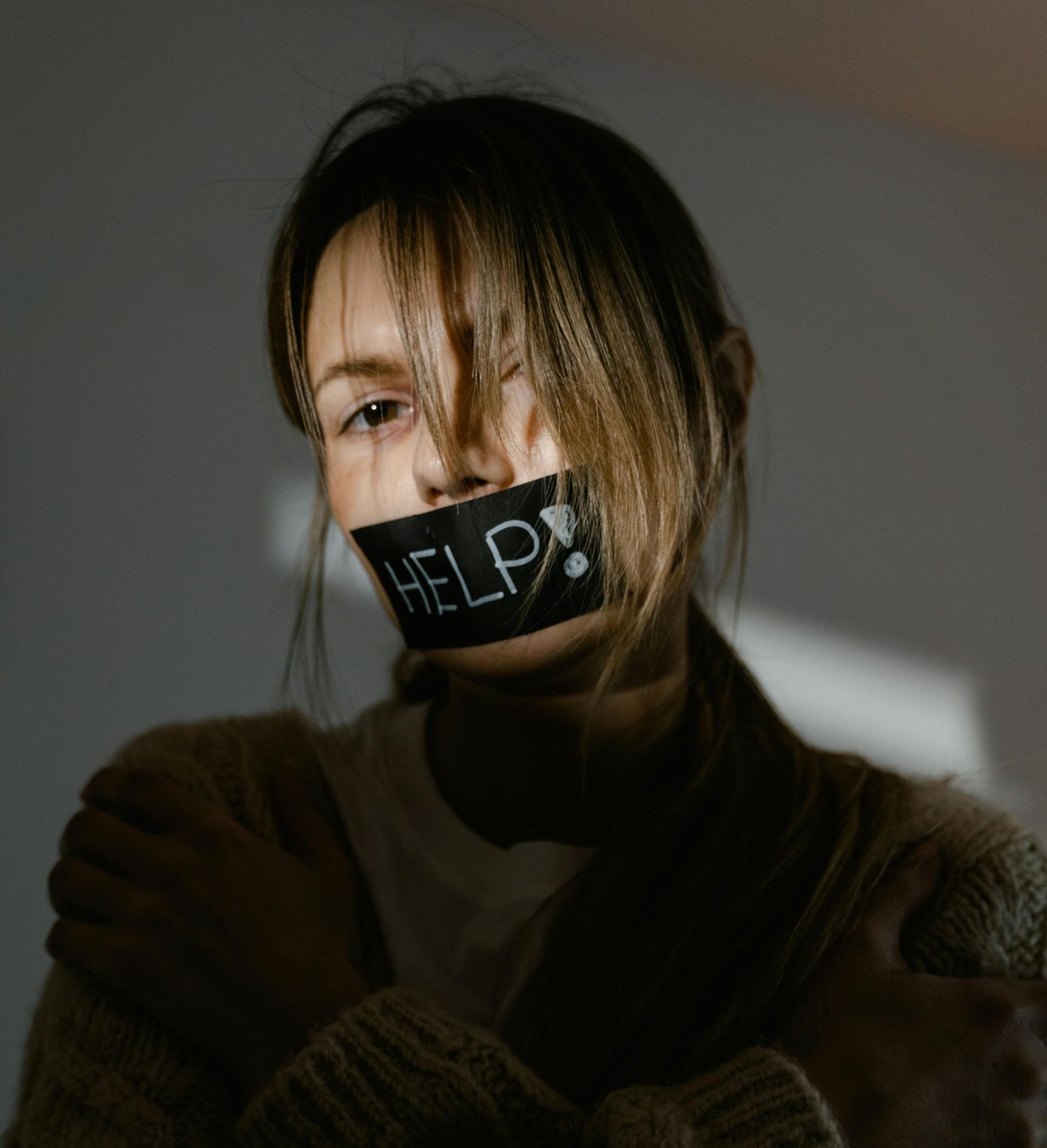
It’s defined as the act of recruiting, transporting, or holding someone against their will for the purpose of exploiting them, often for sexual purposes or forced labor. Traffickers use coercion / force, threats, and even emotional or mental manipulation to control their victims.
Many victims of human trafficking don’t even realize they’ve been trafficked. In most cases, the traffickers are people the victims know—boyfriends, girlfriends, spouses, friends, or even family members. Trafficking often begins with a process called grooming, where the trafficker gains the victim’s trust before gradually taking control over every aspect of their life.
How Human Trafficking Occurs
01
Initial Meeting
- Parent, Spouse, Friend
- Most cases it is someone they personally know
02
Gifts With Strings Attached
- Purses, Jewelry, Phones, Drug Addiction
03
Breaking of your Spirit
- You feel lost, disconnected
- Many people will develop anxiety, depression, PTSD
04
Exploitation
- This is when they own you.
- All freedoms and rights have been stripped away.
Types of Human Trafficking
Human trafficking primarily takes two forms: Sex Trafficking and Labor Trafficking, each involving exploitation through coercion, manipulation, or force. Below is a breakdown of both.
Sex
Trafficking
Sex trafficking is a form of human trafficking where victims are recruited, transported, or confined for sexual exploitation. Traffickers use coercion, threats, and psychological manipulation to force victims into providing sexual services.
This type of trafficking often takes place in hotels or through online platforms, where victims are made available for purchase. It frequently occurs at night, and many victims are forced into these situations against their will.
According to police-reported data, 24% of human trafficking victims are girls under 18, while 45% are women between 18 and 24.
Possible Signs of Sex Trafficking
Do you or someone you know:
- Have a new relationship with someone who is controlling, possibly online?
- Receive excessive gifts or cash from a partner without explanation?
- Seem trapped in a relationship that has suddenly taken a negative turn?
- Have intimate images shared online, with or without consent?
- Feel intimidated or controlled—such as having their phone, ID, or movements monitored?
- Live or work in unsafe, unhealthy conditions?
If you answered yes to any of these questions, you or someone you know could be at risk of trafficking.
Labour Trafficking
Labour trafficking is a form of human trafficking that occurs across various industries, where individuals are recruited, moved, or controlled and forced to work under exploitative conditions. Traffickers use threats, coercion, and manipulation to pressure victims into compliance.
Who’s at Risk?
Anyone can be a target, but migrant workers and newcomers to Canada are at higher risk due to language barriers and precarious immigration status. Those without permanent residence, restrictive work permits, or access to social benefits can be especially vulnerable. Individuals working in remote areas with limited access to legal resources may also struggle to seek help.
Industries often linked to labour trafficking include construction, agriculture, manufacturing, hospitality, food processing, and restaurants. Employers engaging in trafficking may withhold wages, confiscate identification, or make threats to control their workers.
Possible Signs of Labour Trafficking
Do you or someone you know:
- Have a job offer that seems too good to be true?
- Work for an employer who threatens deportation or reports to authorities?
- Have personal identification withheld by an employer?
- Feel that refusing long hours or lower wages could put them or their loved ones in danger?
- Have to relocate unexpectedly with little information and no upfront payment?
- Live or work in unsafe, unhealthy conditions?
If you answered yes to any of these questions, you or someone you know may be at risk of labour trafficking. Help is available.
Get Help & Support for Human Trafficking
01
In Immediate Danger?
c Call 911 for Police
or Emergency Services
02
Worried About Someone?
If you suspect someone is being trafficked, seek help now.
03
Need Support or Resources?
For help and information, email FFHTC using our contact form.
02
Worried About Someone?
If you suspect someone is being trafficked, seek help now.
03
Need Support or Resources?
For help and information, email FFHTC using our contact form.
Recognize Common Indicators of Exploitation, Control or Coercion
A person may be experiencing being trafficked if they show these signs:
- Emotional distress - fear, anxiety, depression, hyper-vigilance, or intimidation
- Lack of financial control - wages withheld or no access to / control over their own money
- Restricted freedom - no choice over work hours or conditions
- Unusual work or living situations - working excessively long hours, living at a work site, or being transported to and from work
- Physical signs of abuse - unexplained injuries, bruises, or scarring that could indicate branding ( ownership by the trafficker )
- Constant supervision - always accompanied by someone who speaks on their behalf
- Poor health or hygiene - signs of neglect, malnutrition, or untreated medical conditions
- Disorientation—not knowing their address or being unfamiliar with their surroundings, where they live or work
- Inappropriate clothing or belongings - dressed unsuitably for the weather or traveling with minimal or inappropriate luggage/belongings
- No access to identification - documents are missing, withheld, or fake

Why Trafficked Individuals May Not Seek Help
A trafficked person often does not self-identify / recognize themselves as a victim, or may be afraid to reach out for help. Common reasons include:
- Threats and fear – Traffickers may threaten to harm them or their loved ones if they speak out.
- Emotional manipulation – Victims often have complex relationships with their traffickers, shaped by fear, dependency, or even misplaced feelings of love.
- Lack of awareness – They may not realize they are being trafficked or do not see themselves as victims.
- Isolation and distrust – Being unfamiliar with their surroundings, they may not know who to trust.
- Limited access to information – They may not know that help is available or where to find support.
- Fear of authorities – Concerns about arrest, deportation, or other legal consequences can prevent them from reaching out.
- Shame or stigma – Feelings of embarrassment, humiliation, or self-blame may keep them silent.
- Substance dependency – Some victims are forced into addiction or rely on substances to cope.
- Financial control – They may be in debt to their trafficker or feel pressured to continue working to support their family.
- Immigration concerns – Fear of deportation can be a significant barrier, especially for those without legal status.
- Language barriers – Limited ability to communicate can make it difficult to seek help or understand their rights.
Recognizing these challenges is key to supporting victims and ensuring they feel safe enough to come forward.
Protecting Our Children
Potential Indicators of a Child Being Trafficked:
- May have an older boyfriend/girlfriend.
- Changes in appearance.
- Staying out late.
- Possibly drinking or doing drugs.
- Pulling away from family and being distant.
- If their phone notifications are rapidly coming in - Blowing up their phone.
- Low self esteem.
- Depressed or anxious.
- Not sleeping at night.
- Losing weight.
- Being in places such as hotels alone.

Nature's Symphony
Online Safety:
- Many traffickers have been known to be on Facebook, Instagram, Twitter, Roblox, Tik Tok, Discord, Kik, Whisper, Monkey, and Snapchat. When using these apps a parent can turn on safety features such as: location, chat features, and family sharing for when their children are using these apps.
- Talk to your children about not sharing any personal data with anyone online as some traffickers will pretend to be children.
- Pay attention to your child when using the apps and notice any changes.
- Create a safe space to talk to your child about the dangers of social media
How to keep Safe:
- Keep a close eye on your surroundings at all times.
- Have someone with you when walking at night.
- Send your location to someone you trust.
- Create a code word for safety.
- Tell someone if you feel scared.
- Watch for signs that someone may be grooming you or recruiting you.
- Always contact the police if you need help.
- Parents, talk to your children about safety
Nature's Symphony
You Are Not Alone.
We are here to help support anyone who is a victim or survivor of Human Trafficking.